Certified providers
0
Businesses with at least one active C-NRPP credential, every one listed free, as of the registry pull.
- Date
- 2026-10-18
- Sample
- Not applicable
How to find a C-NRPP certified radon mitigation professional and check the credential, what to ask before hiring, and who should do the follow-up test.
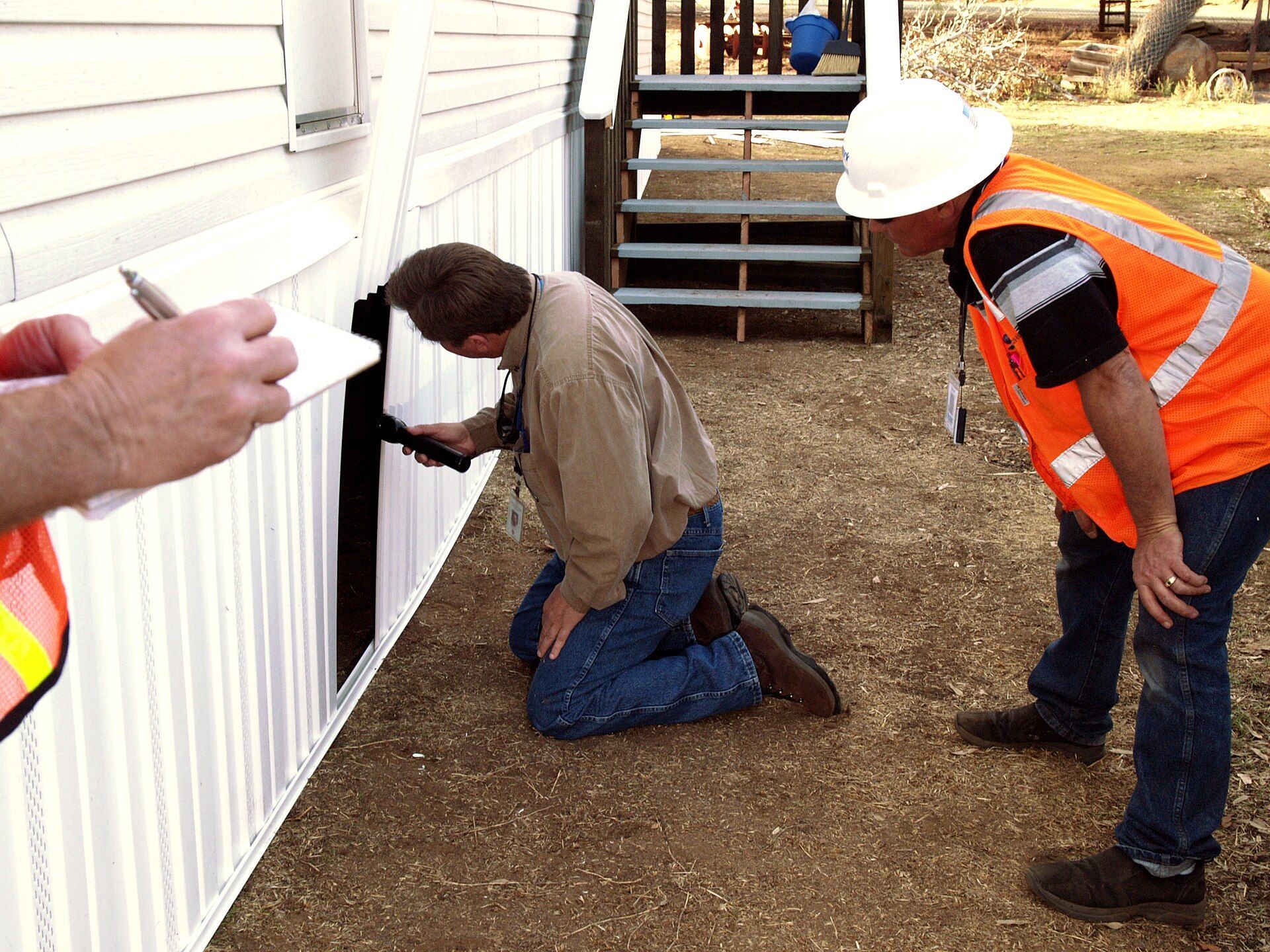
Photo: Amanda Bicknell, Public domain, cropped, via Wikimedia Commons.
0
Businesses with at least one active C-NRPP credential, every one listed free, as of the registry pull.
Health Canada recommends that all radon measurement and mitigation professionals be certified through C-NRPP. No province or territory requires it, so check the certification yourself before you hire. Our directory lists every business with an active C-NRPP credential, and every one is listed free. Start with the companies there, then work through the checks on this page. Find every certified business near you, listed free.
To have a system designed and installed, hire a company with C-NRPP’s Radon Mitigation Professional certification. A company with measurement certification only is not certified to design or install a mitigation system. C-NRPP certifies four streams:
Voluntary
No province or territory requires radon professionals to be certified. Health Canada's action guide notes that provinces have the power to regulate professions and none has done so for radon, and it recommends hiring C-NRPP certified professionals.
See what each certification takes.
Ask for the certification number and look it up in C-NRPP’s Certification Check before you hire. Do this even if the company’s website shows the C-NRPP logo. Confirm that the name matches, the certification is current, and it covers mitigation, not measurement only.
20
credits every 2 yearsContinuing education C-NRPP requires to renew a certification every two years, with at least 4 credits from C-NRPP approved courses and hands-on work counting for at most 10. Holders also pay yearly fees, take the mandatory renewal course and sign the Code of Ethics, and mitigation professionals must carry insurance.
Have a long-term test result in hand before you ask for any quote. Health Canada bases its guideline on the yearly average, and recommends a test of at least three months to estimate it. See how to run the long-term test before any quote.
If the Certification Check shows the certification has lapsed, ask the company about it. C-NRPP certification is valid across Canada, so also ask whether the company works where you live. C-NRPP’s Find a Professional tool searches by location. See the warning signs before you pay.
Ask each company the same questions before you hire. Keep their answers, and get the final plan in writing.
Documentation package
What C-NRPP says the national mitigation standard requires a professional to leave with the homeowner: the system labels, manuals for the fan and the U-tube manometer, all radon test data, the fan's estimated energy use, and a recommended inspection and retest schedule.
The national standard requires the professional to leave this package with you when the work is done. Before you hire, ask whether they will leave it. Keep it with the system. See what the label and documentation should show.
Health Canada suggests getting more than one estimate where possible. Ask each company for a written estimate, so you can set them side by side. Compare bids on the same scope of work, so each price covers the same job.
A very low bid may mean a mistake, or a contractor who does not understand the job. Ask the low bidder to walk you through the work their price covers. See what a system costs and what the contract should cover.
Health Canada says the follow-up long-term test should not be done by the company that installed the system. This avoids a conflict of interest. Plan two tests after the system goes in.
The first is a short-term check, once the fan has run for at least 24 hours. The second is a long-term test in the next heating season. Arrange that long-term test with someone other than the installer. See the tests that confirm a system works.