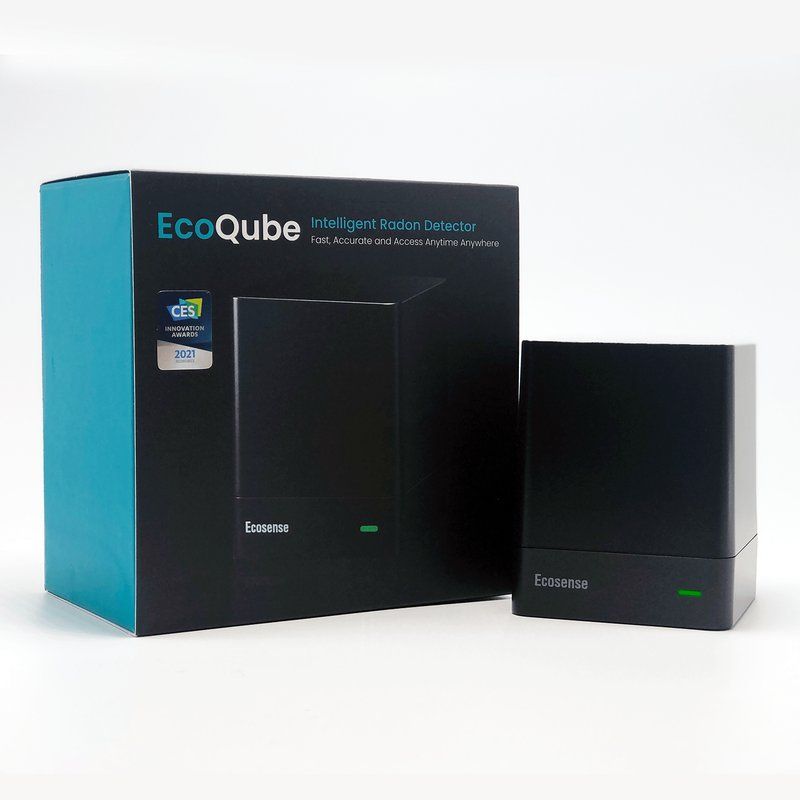
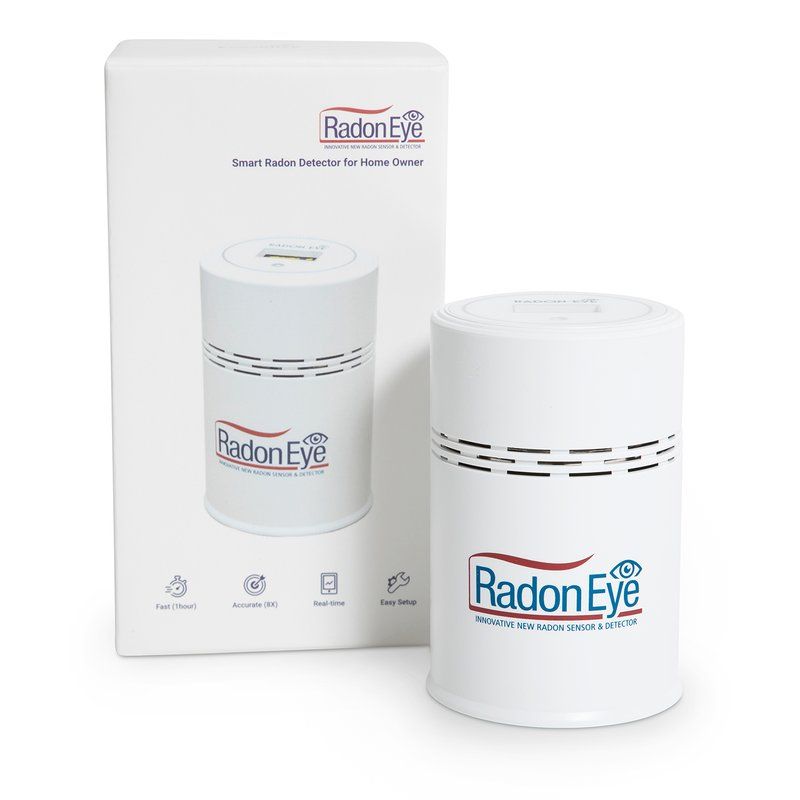
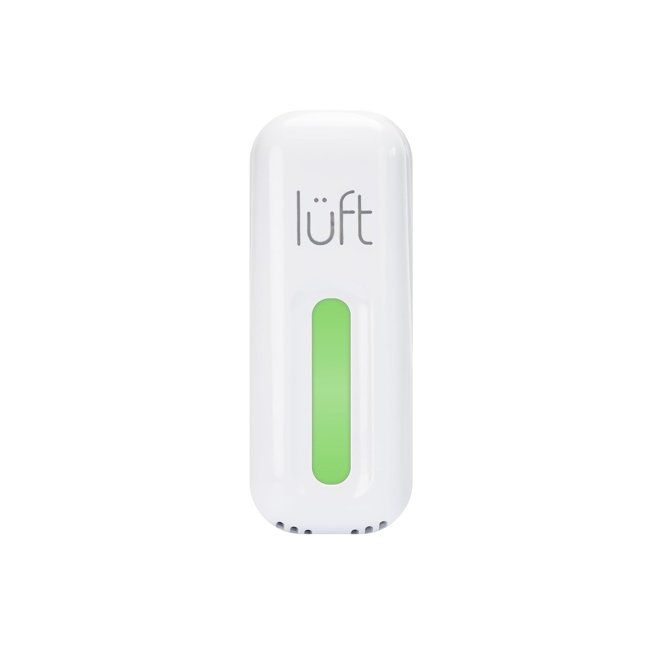
Use a long-term alpha track kit to get your radon number. It gives the result Health Canada compares with the guideline. If you want an electronic monitor, choose one that C-NRPP lists after its performance testing and grades A or B. Before you buy any device, check that Health Canada has not recalled that model, because some recalled monitors read low whatever the real level is. See every monitor C-NRPP lists, with its record and where to buy.
A long-term kit is passive, and an electronic monitor reads as it goes
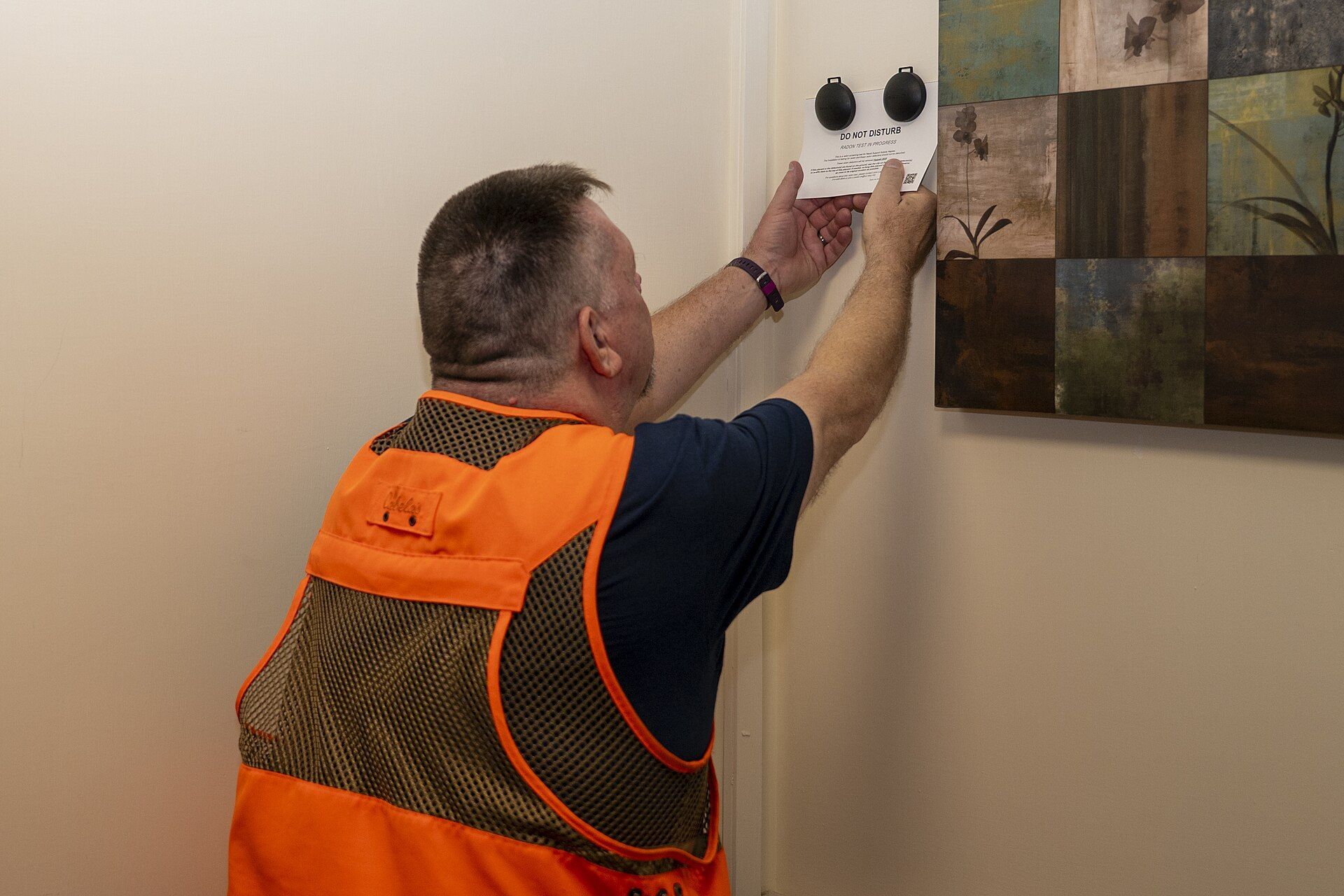
The main long-term test in Canada is the alpha track detector. It needs no power, and it goes back to a lab when the test ends. An electronic monitor measures all the time and shows its reading on a screen, an app or a web dashboard. Health Canada now calls these electronic radon monitors, in place of digital detectors.
- Alpha track detector: passive, needs no electricity, analyzed by a lab after the test.
- Electret ion chamber: a charged disk read by a calibrated reader, usually at a lab; reusable, and used more often by professionals.
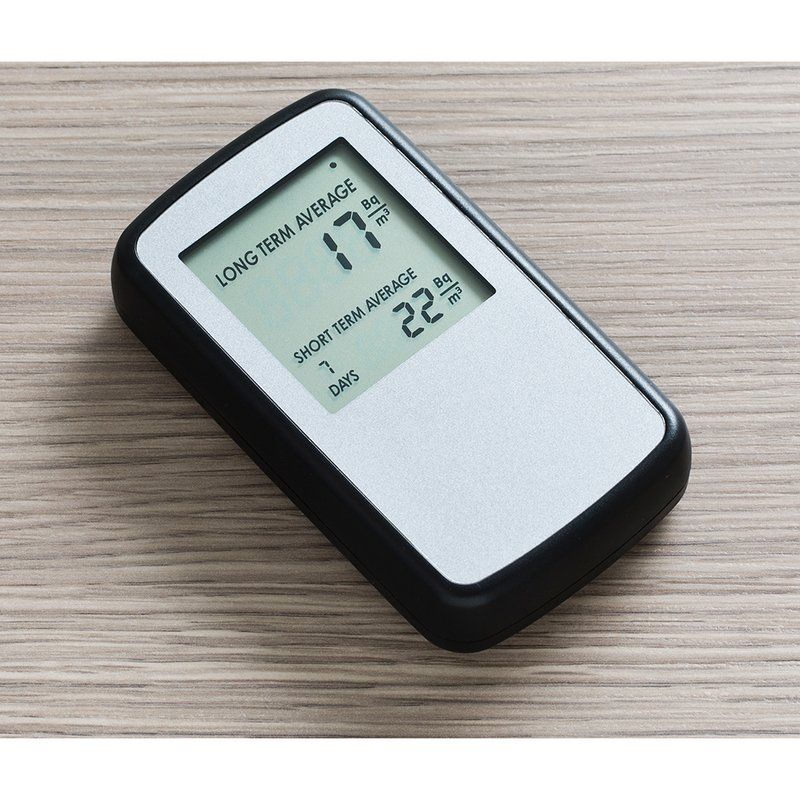
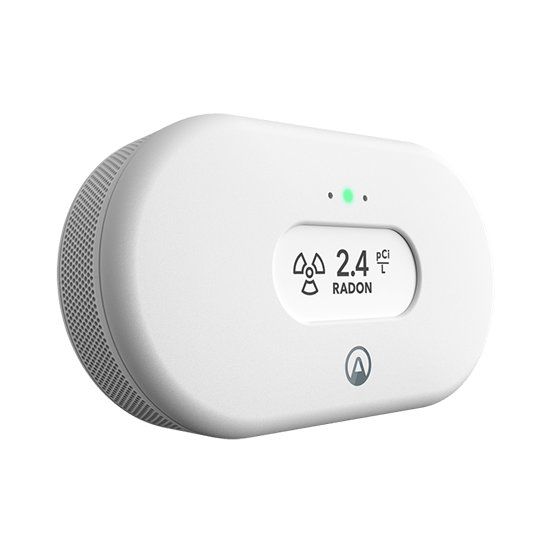
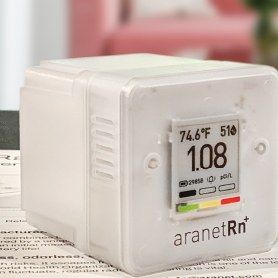
- Consumer electronic monitor: measures all the time and shows results on a screen, app or dashboard.
- Professional-grade electronic monitor: more durable, sensitive and accurate, and recalibrated by the maker or an accredited facility.
Long-term test kit cost
Published cost of a long-term alpha track detector with lab analysis, as stated in CMAJ in 2023. Community and public programs sometimes offer kits for less or free. A published figure, not a current price.
- Date
- 2023-06-19
- Sample
- Not applicable
A monitor is useful for other jobs. It can check that a mitigation system is working, or retest your home after changes to it. You can also test several rooms by resetting it between rooms. For the number you compare with the guideline, use a long-term alpha track kit. See how to run a long-term test.
C-NRPP tests consumer monitors in a controlled chamber and grades how well each model measures. It tests three units of each model. Its grades run from A, with the smallest error, down to E. A monitor at grade A or B is one C-NRPP calls recommended. A monitor graded C or lower stays on the list as not recommended.
C-NRPP test rounds
Rounds each consumer monitor goes through in the Radiation Safety Institute of Canada's accredited 12 m³ radon chamber in Saskatoon: two at 200 Bq/m³ in winter and summer indoor conditions, then 400 and 1,000 Bq/m³ in winter conditions. The method is published in the Journal of Radiological Protection.
- Date
- 2026-09-18
- Sample
- Not applicable
C-NRPP lists consumer monitors. It approves only devices on a separate professional list.
Consumer monitors and professional use
C-NRPP states that the consumer monitors on its list cannot be professionally calibrated and are not approved for use by radon measurement professionals, who use devices from a separate professional list.
- Date
- 2026-09-18
- Sample
- Not applicable
A monitor missing from the list has not necessarily failed. Makers choose whether to enter by sending units for testing. Health Canada says some devices are on neither list because they are still being tested or under review. Health Canada also tests new models all year at its Ottawa lab and issues recalls, while C-NRPP compares models that stay on the market. See every device C-NRPP tested, with its grades and recall status.
Health Canada has recalled monitors that gave inaccurate readings
In May 2025, Health Canada recalled radon devices. Its Radiation Protection Bureau found that many gave inaccurate readings. Health Canada also issued an advisory on radon gas detectors sold online. The recalled and flagged monitors showed a low value whatever the real level was, with errors greater than 90%.
Recalled products
Health Canada's recall notices state that it is illegal to sell, redistribute or give away a recalled product in Canada. Each recall names a specific model, not a whole brand.
- Date
- 2025-05-01
- Sample
- Not applicable
A recall and a C-NRPP grade are separate statuses. A monitor C-NRPP does not recommend has not necessarily been recalled by Health Canada. We keep the two as separate fields in our records, with C-NRPP’s professional approval as a third. See the warning signs before you pay.
Only the long-term average counts, whatever the device shows day to day
Base your decision on the long-term average. C-NRPP says to leave a consumer monitor in place for at least three months, preferably in the heating season. Put it in a room someone uses at least four hours a day. If you use it for less than 91 days, follow it with a long-term test. Read the manual, because devices work out their averages in different ways.
Monitor replacement
Age after purchase at which Health Canada recommends considering replacing an electronic radon monitor, unless it has been recalibrated to the manufacturer's specifications.
- Date
- 2026-05-22
- Sample
- Not applicable
Some consumer monitors store less than three months of data, so check storage before a long-term test. A reading near the top or bottom of the monitor’s range may mean it is outside its working range. So can the same value shown many times. In either case, contact the manufacturer.
Canadian radon results are reported in Bq/m³. One recalled monitor showed a “Coefficient of injury” instead, and a made-up score is not a radon level. Find where to place the device in your home.
Check the C-NRPP list and the Health Canada recall list before you buy
Run these checks on the exact make and model before you pay for it, because each recall names a specific model, not a whole brand.
- Find the exact make and model on C-NRPP’s list, and note its grade.
- Look for any Health Canada recall or advisory on that model.
- Check that it reports radon in Bq/m³.
- Check that it stores at least three months of data.
- For a professional result, use a device on C-NRPP’s professional list.
Each monitor C-NRPP lists has its own card below, with its listing and its recall status.
Listed alphabetically by brand, then model. Order never depends on commission.
Purchase and manufacturer links are labelled. We may earn a commission on a purchase link; a manufacturer link pays us nothing. Neither changes which devices are listed, their order or what is said about them. Read the affiliate disclosure and device rules
A model C-NRPP does not recommend has not necessarily been recalled, so check both lists. Look up one device’s listing and recall status.
Treating well water does not replace an indoor air test
A water treatment device treats radon in your water, and it does not replace a test of your indoor air. A detector or monitor measures radon and does not reduce it. A mitigation system reduces how much radon gets into your home.
There is no Canadian maximum acceptable concentration for radon in drinking water. Health Canada recommends testing the air, because an air test captures every source. It warns against working out air levels from water levels. Devices certified to NSF/ANSI Standard 53 that use activated carbon can reduce radon in water, and Health Canada prefers point-of-entry systems. Read about radon in well water.