Canada has a claim to the discovery of radon, through work at McGill University in 1899, though who should get the credit is still debated. Canada’s longer record with radon runs through its miners. Uranium miners at Elliot Lake in Ontario struck over lung cancer and silicosis in 1974. Fluorspar miners at St. Lawrence in Newfoundland were exposed to radon in the water seeping into their mines. Read what radon is and where it comes from.
The discovery is disputed, and McGill has a claim to it
Who discovered radon is still debated, and McGill has a claim. The 2024 Cross-Canada Radon Survey credits three researchers at McGill with discovering radon in 1899: Ernest Rutherford, Harriet Brooks and Robert Owens. The survey calls their find “the radium emanation.” In 1899 at McGill, Rutherford and Owens identified the thorium emanation, which is radon-220.
The radon found in homes today is a different isotope, radon-222. It was first identified from radium in Germany in 1900. The gas was given the name radon in 1923. Look up the terms for radon and its isotopes.
Ontario’s uranium miners showed the lung cancer link before any home was tested
Studies of miners in Canada and elsewhere in the middle of the century gave the first conclusive evidence in humans that radon causes lung cancer. The Muller study, published in 1983, followed nearly 16,000 Ontario uranium miners from 1955 to 1977. It found nearly twice the expected number of lung cancer deaths. A 1974 pilot study had found more than three times the expected number.
Kusiak and colleagues followed up in 1993. Home testing started in the US and beyond after 1984, when radon from a Pennsylvania engineer’s house set off alarms at a nuclear plant he was entering. See what the miner studies mean for homes today.
The Ham Commission followed a miners’ strike and rewrote mine safety law
Uranium mining began in Ontario in the mid 1950s. On 18 April 1974, miners at Elliot Lake went on strike over lung cancer and silicosis. They put forward 54 health and safety demands. Ontario then appointed a Royal Commission chaired by Dr. James Ham.
The Ham Commission reported on 30 June 1976 with 117 recommendations. Its report became the foundation of Ontario’s Occupational Health and Safety Act, which came into force in 1979. Check today’s workplace limits for radon.
Fluorspar miners in St. Lawrence were exposed through radon in groundwater
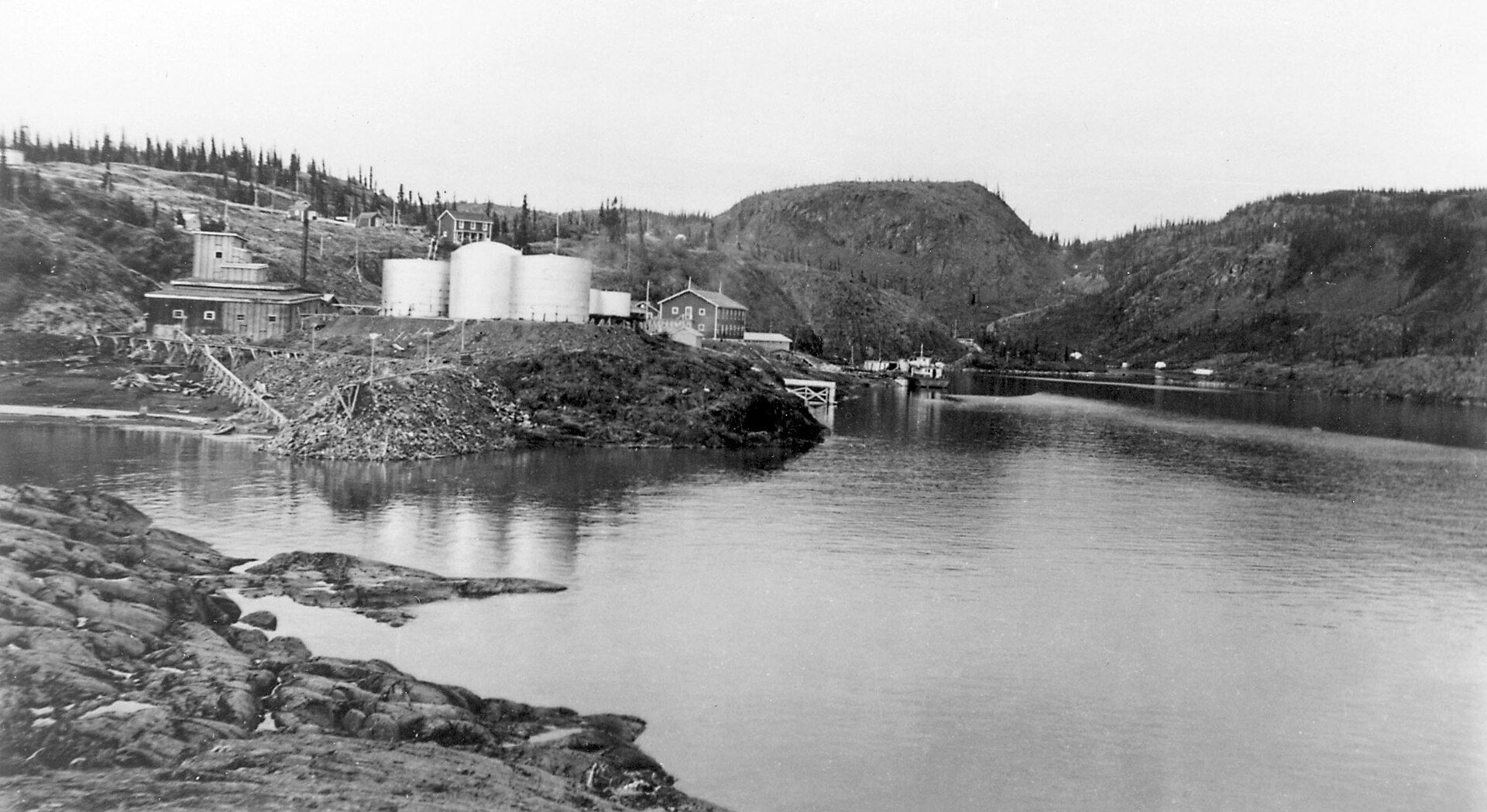
Commercial fluorspar mining began at St. Lawrence, Newfoundland, in 1933. In 1959, the source of the miners’ exposure was identified as radon and its decay products in water seeping into the mines.
St. Lawrence fluorspar miners
78
workers died of lung cancerFluorspar workers at St. Lawrence, Newfoundland, who died of radiation-induced lung cancer after mining began in 1933. In 1959 the source was found to be radon in water seeping into the mines.
- Date
- 1964-01-01
- Sample
- Not applicable
A 1964 study found the miners’ lung cancer death rate was about 29 times the expected rate. By the late 1960s, nearly 20% of St. Lawrence households had lost a family member to lung cancer. The group of miners has since been studied again, with records running to 2016. Read what the law requires about radon now.
Compensation came decades after the exposures
By January 1976, Ontario’s Workmen’s Compensation Board had accepted 15 lung cancer claims from uranium miners. Twelve came from Elliot Lake and three from the Bancroft area.
In Newfoundland, legislation in the early 1970s made sick St. Lawrence workers automatically eligible for compensation. It was changed in the early 1980s to leave out surface workers. In 2011, the province moved to include all mine employees. Today, Canada’s guideline for homes is 200 Bq/m³. Find out how the home guideline was set.