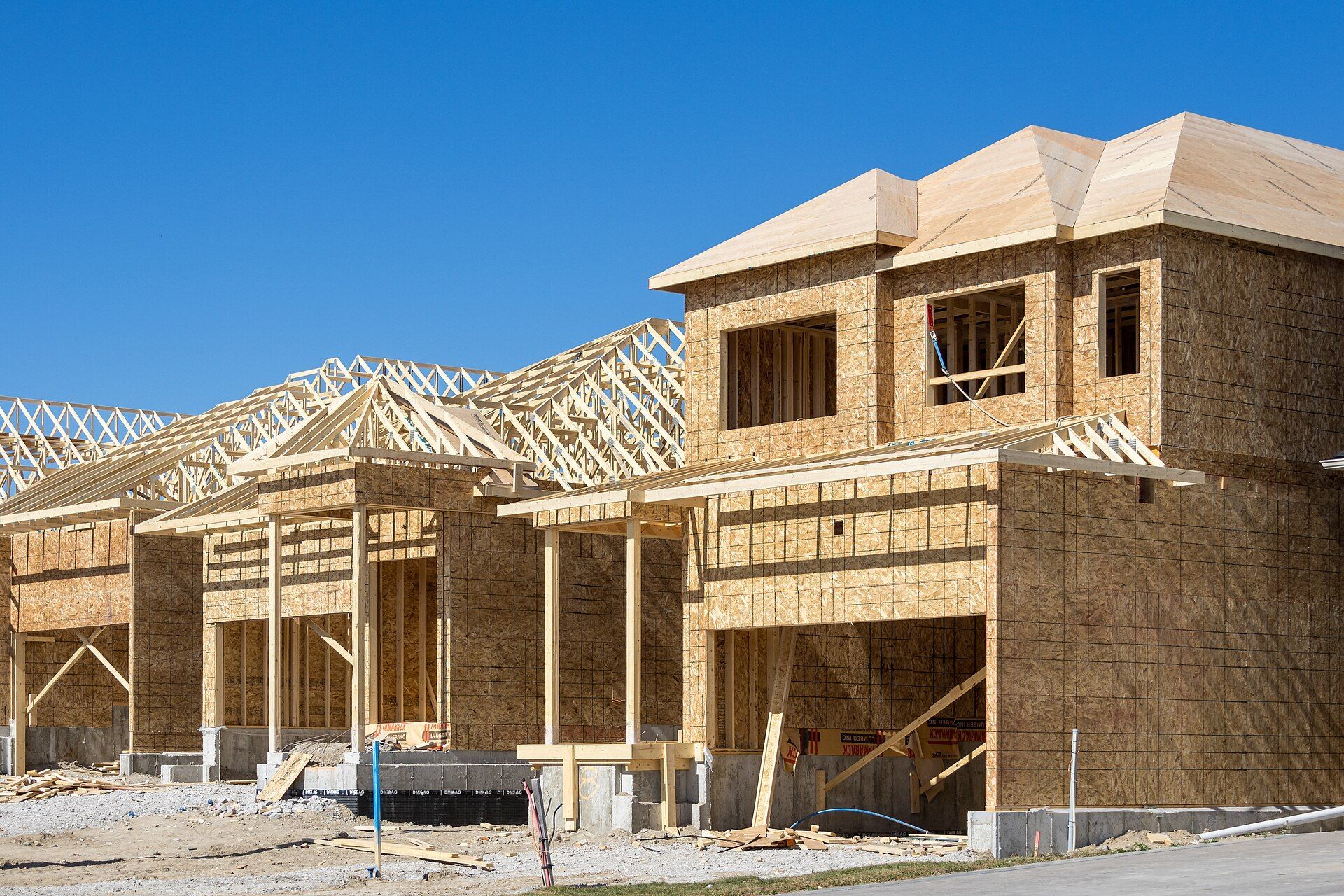
Most building codes in Canada require a radon rough-in in a new home. A rough-in is a capped pipe for a future system, and it does not guarantee a level below 200 Bq/m³. Test in the first heating season after you move in. Ontario’s new home warranty names radon, and in other provinces coverage depends on the provincial warranty. Check the building code for your province.
Most codes require a rough-in, not a working system
The National Building Code added a capped rough-in in 2010, and several provinces and territories adopted it. A rough-in is not a working system. Health Canada notes that with this approach, homes with high radon can stay untested. It says best practice calls for more complete systems.
- British Columbia: a rough-in for Part 9 houses province-wide for permits from 8 March 2024. The pipe must extend outside, and a fan is not required.
- Ontario: O. Reg. 163/24, in force 1 January 2025, requires new houses to have a rough-in for a subfloor depressurization system.
- Quebec: the RBQ moved the code threshold from 800 to 200 Bq/m³ in 2021.
- Alberta: the National Building Code, 2023 Alberta Edition, enforceable since 1 May 2024.
- Saskatchewan, Manitoba, New Brunswick, Nova Scotia, Newfoundland and Labrador, the three territories, and major Prince Edward Island municipalities follow the National Building Code; adoption dates and amendments differ.
The national standard, CAN/CGSB-149.11-2024, calls a rough-in Level 1, and most provinces require protection similar to Level 1. Meeting the code does not guarantee a level below 200 Bq/m³. See what a rough-in or stack label says.
A rough-in lets a radon system be added later without demolition
Health Canada recommends a passive soil depressurization system in all new homes. It says this system can reduce radon by 40 to 90%, and a fan can be added to make it active. Health Canada also says radon protection is more cost effective during construction.
Passive systems cannot be relied on
Health Canada's position on passive radon systems: they cannot be relied on to bring high radon concentrations below the guideline, and homes with them should still be tested.
- Date
- 2026-09-18
- Sample
- Not applicable
Level 1 is a rough-in. Level 2 adds a full passive vertical radon stack, and Level 3 is active soil depressurization with a fan. See how a rough-in becomes a working system.
Test in the first heating season after you move in
In a newly built home, test in the first heating season after you move in. Then test again two years after the year the home was built. Health Canada and C-NRPP both give this schedule.
In Alberta, the 2024 Cross-Canada Radon Survey found radon rose by 39.2 Bq/m³ across houses built from 1971 to 2024. Recent builds average 131.6 Bq/m³ within a few years of completion. The authors point to tighter construction, ventilation and foundation changes. See how to run the first-winter test.
Ontario’s new home warranty names radon; elsewhere, coverage depends on the provincial warranty
Ontario’s new home warranty (Tarion FH 1.19) says radon shall not exceed 200 Bq/m³. The warranty covers repairs if a long-term test of 91 days or more in your lowest level reads above 200 Bq/m³. The cause must also be a Building Code violation or a builder defect.
Tarion radon coverage
Ontario's new home warranty covers radon repairs up to $50,000 where the purchase agreement was signed after 1 February 2021, and $15,000 before. The cause must be a Building Code violation or a builder defect.
- Date
- 2026-09-18
- Sample
- Not applicable
The warranty has three tiers: one year for workmanship and materials, two years for Ontario Building Code health and safety violations, and seven years for a major structural defect. Coverage stays with the home for seven years from first possession.
Health Canada says radon will likely fall within other provinces’ warranty systems. Outside Ontario, coverage depends on the provincial warranty law, the building requirements and the policy terms. See how Tarion coverage compares with grants.