Menu

What should I do about radon, step by step?

A step-by-step radon plan for homeowners: the first long-term test, what to do if the result is high, mitigation, the check test and the five-year retest.
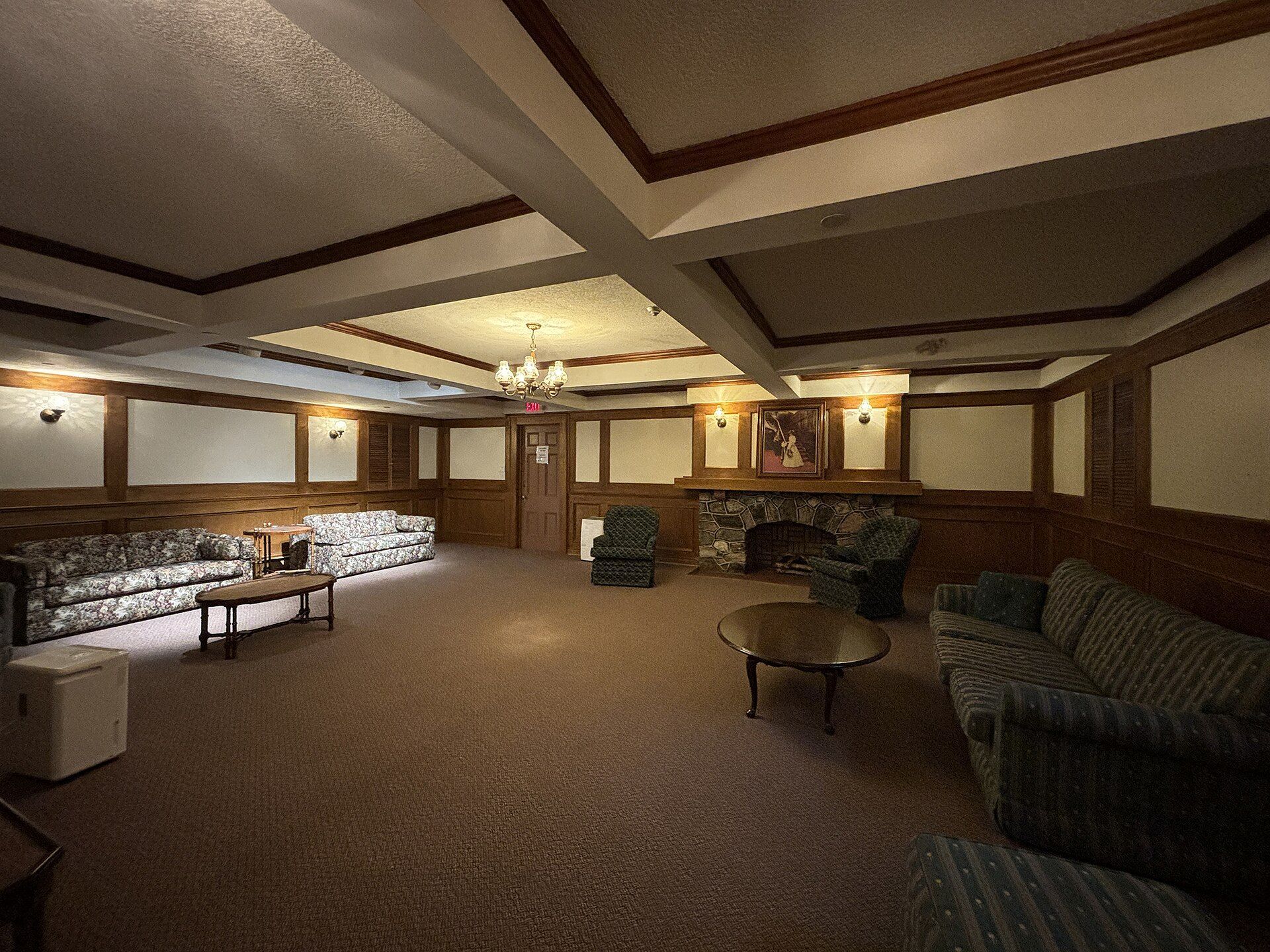
A finished basement room with wood panelling in an older house.

Photo: Canmenwalker, CC BY 4.0, cropped, via Wikimedia Commons.

The plan has five parts: test, read the result, hire, confirm the fix, and keep checking. A last section covers what changes when you build, buy, sell or rent. If a long-term test averages above 200 Bq/m³, Health Canada recommends corrective action within one year, and sooner the higher the level is. Each part below is a few one-line steps, with a link to the page that explains them in full.

Start with a long-term test on the lowest lived-in level

Every later step depends on one long-term result. The test comes first and runs for at least 91 days.

  1. Run the test for 91 days or more, in the heating season, and see how to run the test from start to finish.
  2. Live normally while the test runs, from the first day to the last.
  3. Choose a bedroom, family room, living room, den, playroom or office, not the kitchen, bathroom, laundry or storage.
  4. Put it on the lowest lived-in level, in a room used over four hours a day, and check which level, room and spot to use.

Compare your long-term result with 200 Bq/m³, and act within a year if it is higher

The number that counts is the long-term average. Above 200 Bq/m³ on a long test, the next step is action. Another test only delays it.

  1. Compare your long-term average with 200 Bq/m³, and enter your number to see what it means and whether the test counts.
  2. Treat a result near 200 as one that can sit on either side, since repeated results can vary by up to plus or minus 25%.
  3. Above 200 on a long test, act within a year, sooner the higher it is, and read the guideline and how soon to act.

Hire a certified professional, and apply for help before the work starts

Above the guideline, Health Canada recommends a C-NRPP certified professional. The Canadian Lung Association’s Lungs Matter grant pays up to $1,500 toward mitigation, if you apply first.

  1. Start with the directory, where you can find a C-NRPP certified mitigation professional.
  2. Get more than one estimate where you can, and see the questions to ask before you hire.
  3. While you wait, open windows on the lowest level for the time being, or run a well-maintained mechanical ventilation system.
  4. Apply for Lungs Matter before the work starts, since completed mitigations are not eligible, and see help with the cost and when to apply.

Confirm the system works with a short test, then a long-term test the next heating season

Two tests follow the installation. The short one follows once the fan has run. The long-term one waits for the next heating season.

  1. Run the fan for at least 24 hours, then test for at least 48 hours.
  2. Run a long-term test the next heating season, not by the installer, and see the system and the tests that follow it.

Keep the fan running, check the gauge, and retest every five years and after changes

Leave the fan on from the day the system starts. Then retest on a schedule: every five years, and after changes to the home.

Fan rule and manometer

Always on

Health Canada's rule for a fan-powered system: the fan runs continuously and is never turned off. A U-tube manometer shows whether it is working, with a difference in liquid levels meaning yes and equal levels meaning no. The installer labels the system with the activation date, the suggested retest intervals and the suction and flow readings.

Date
2026-09-15
Sample
Not applicable
  1. Leave the fan running at all times, and check the U-tube manometer, the gauge that shows whether it is working.
  2. Retest every five years with an active system.
  3. Retest the next heating season after a renovation, an energy retrofit, excavation beside the home, new structural damage or a lower level becoming lived in.
  4. In a new home, test the first heating season after moving in and two years after construction, then check whether you need a new test.

Building, buying, selling or renting changes when you test and who arranges it

The plan above holds for every home. When you build, buy, sell or rent, the timing of the test and who arranges it can change.

  1. In Ontario, the owner of a newly built freehold home arranges its own radon test, and see radon in a newly built home.
  2. Test before you sell and after you buy, since a short screening during a sale is not a long-term result, and see testing when a home changes hands.
  3. If you rent, check your province’s rules and the Canadian Association of Radon Scientists and Technologists’ tenant resource, and see what tenants and condo owners can do.